The Branford Electric Railway Association (known as The Shore Line Trolley Museum) was formed in 1945 by a group of individuals who wanted to preserve the history of the Golden Age of Transportation.
On March 8, 1947, the last commuter 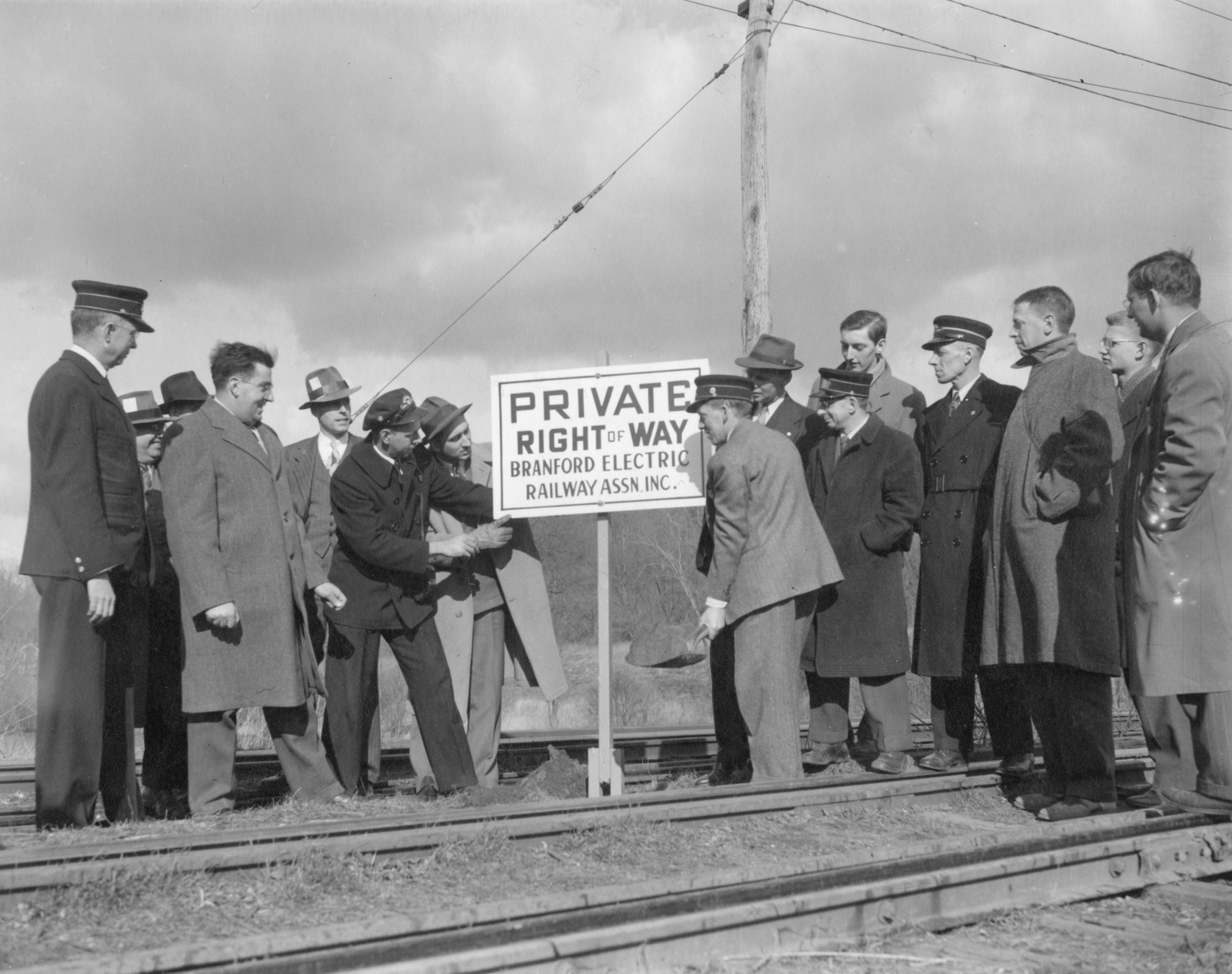 trolley car brought passengers from
Branford to New Haven and on
March 9, what is now the Trolley
Museum's right-of-way was turned
over from the Connecticut Company. Just one year later, on
September 25, 1948, trolley service
ended in New Haven, also ending an era that spanned nearly 80 years
trolley car brought passengers from
Branford to New Haven and on
March 9, what is now the Trolley
Museum's right-of-way was turned
over from the Connecticut Company. Just one year later, on
September 25, 1948, trolley service
ended in New Haven, also ending an era that spanned nearly 80 years
The City of New Haven was considered by many to be the
"trolley capital of the country" with ov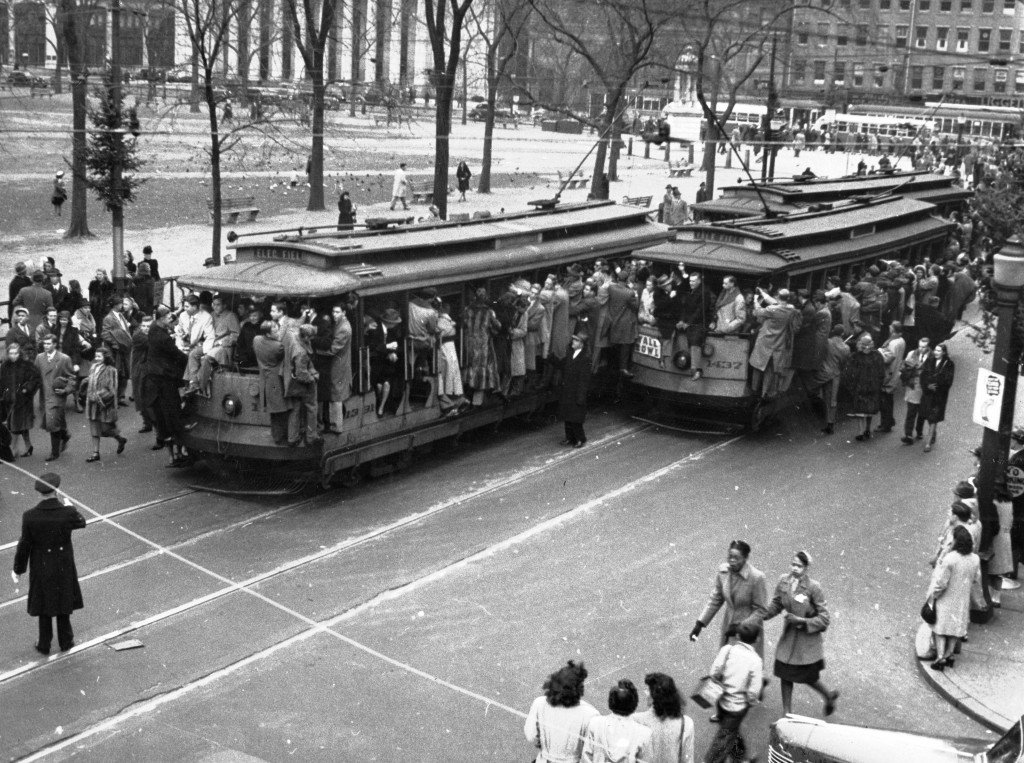 er 250 miles of
track within the city. It was part of a much larger mass
transportation system
which connected every
major city in the state, spanning over 700 miles of
track. The trolley system
turned sleepy rural towns into thriving suburbs and
transported city's
commuters for both work
and play.
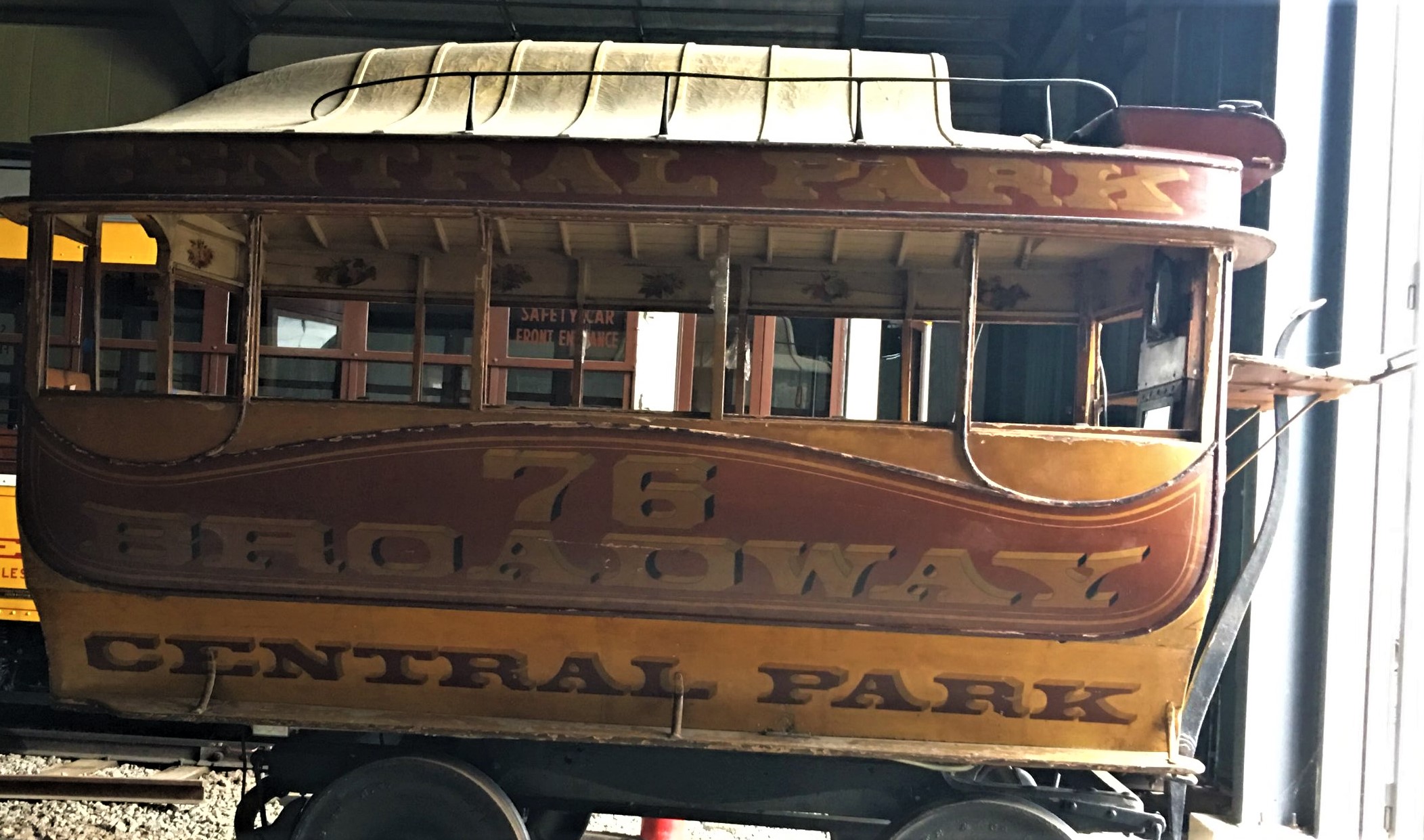
Today, the Shore Line Trolley Museum boats 100 one-of-a-kind electric rail vehicles
in our artifacts, including the oldest known horse drawn streetcar from Manhattan
dating back to 1860 and the worlds first electric rail locomotive, which ran in Derby CT in 1888. 
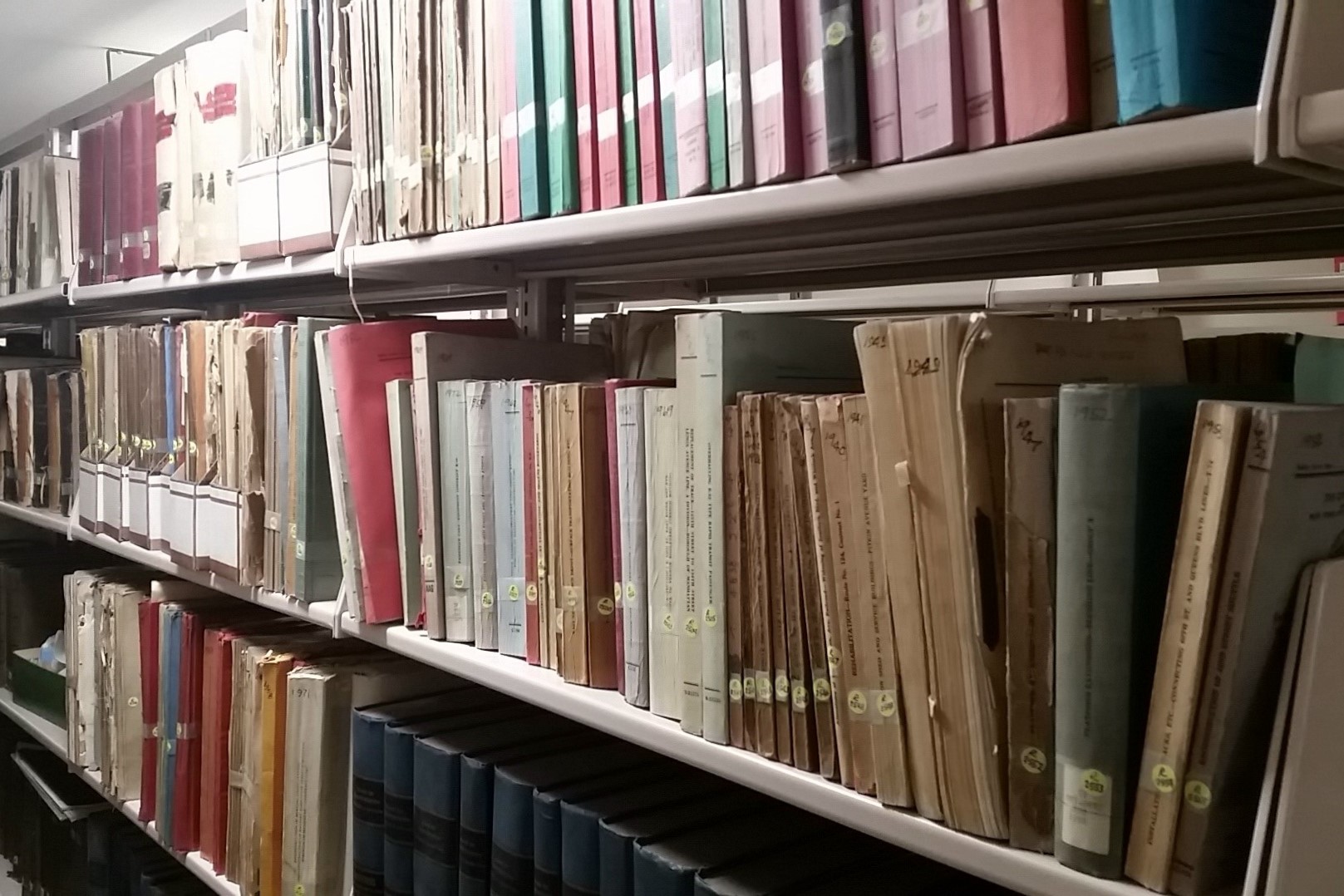
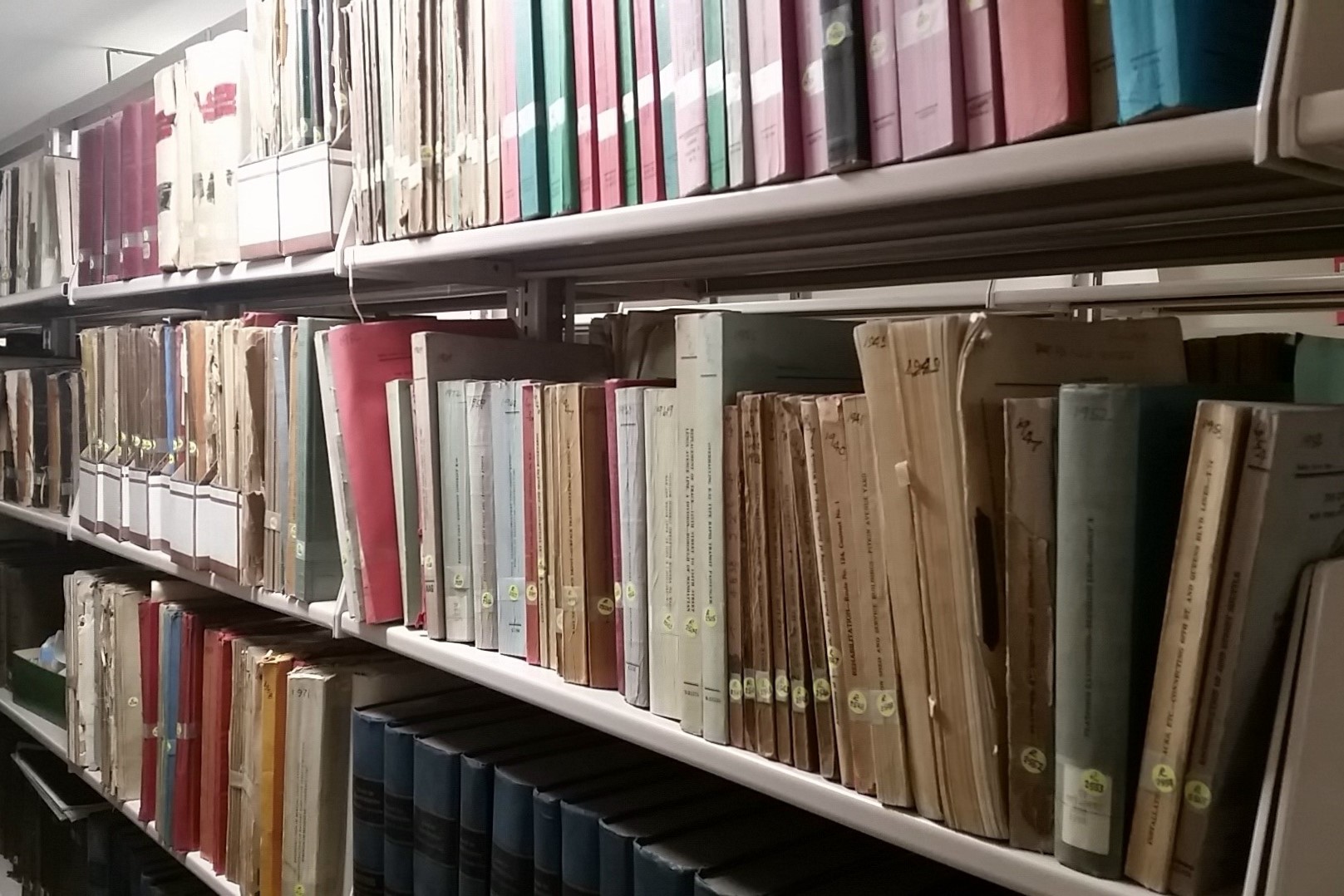
The museum also has one of the largest archival collection of print materials in the world, with over 65,000 photos and hundreds of railway journals, maps and blueprints dating back over a century.

 All rights reserved.